
Li-FT® brow removal and lightening treatment
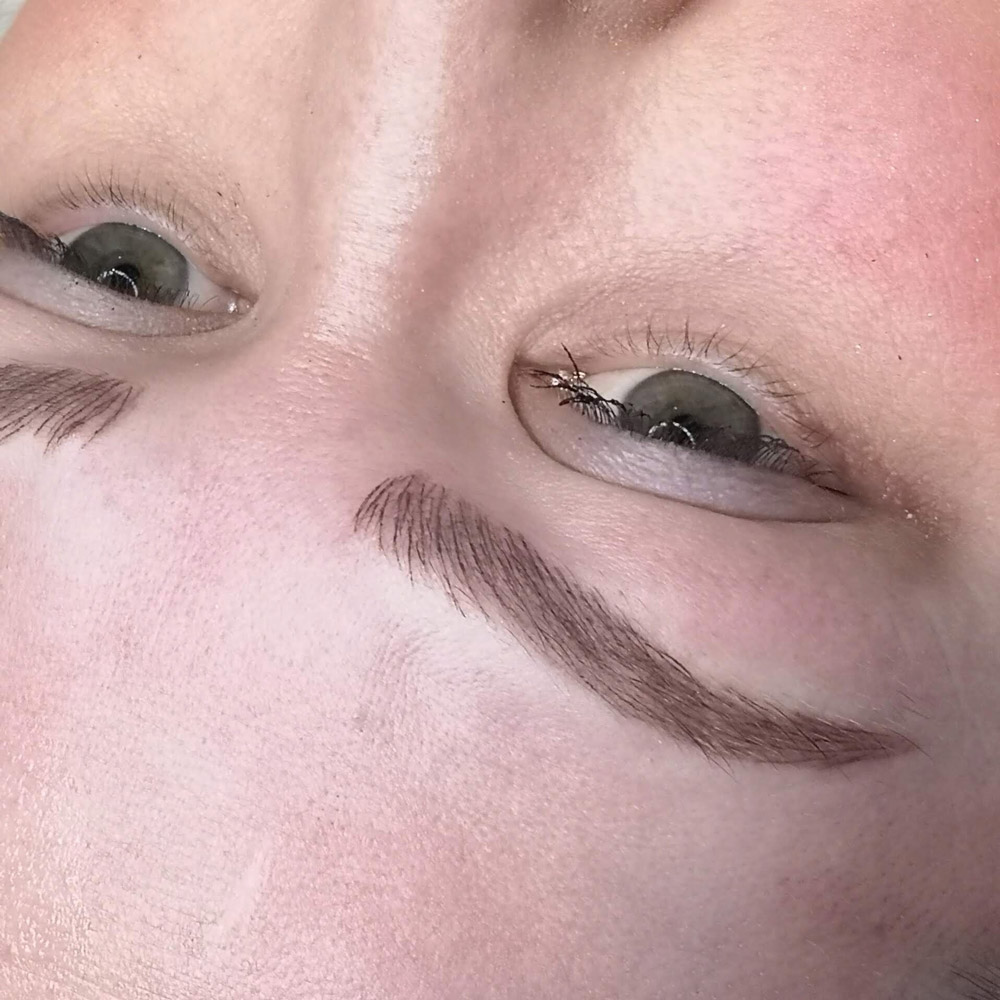
Does your existing semi-permanent makeup or microblading no longer look how you’d like?
Has the pigment faded red, grey, or green? Maybe the shape isn’t right, or the colour is still too strong to correct?
There is help.
— Tattoo & Pigment Removal Sessions
tattoos require 2–5 removal sessions, spaced 8–12 weeks apart. The number of sessions needed and the results achieved vary from person to person and depend on factors such as skin type, area treated, colour, amount of pigment, scarring, tissue changes, and layering.
If you are planning a refresh or correction of semi-permanent makeup, fewer sessions may be required.
Consultation
A consultation is carried out before treatment (and can be done on the same day). We will discuss your existing work, skin type, medical history, and your desired outcome to ensure the best possible plan for you.
Comfort & Numbing
A local anaesthetic cream is applied prior to treatment. Most clients are pleasantly surprised by how comfortable the process is.
Removal Process
The LiFT® removal solution is introduced into the skin using the same method as permanent makeup or tattoo application. The removal session typically takes around 45 to 60 minutes to complete. The area is then soaked in the solution for approximately 10 minutes.
Aftercare
Mild scabbing is common for a few days following treatment. The area should be kept clean and dry to support proper healing after which you can use a skin healing balm or vitamin E oil to nourish the area. Aftercare is explained in full and a mini kit is provided.
£70.00 per session.
What is Li-FT® Brows
Semi-permanent makeup and tattoo pigment can be safely lightened or removed without lasers, using a revolutionary saline-based method called Li-FT®.
This non-laser removal technique is ideal for correcting or removing old, uneven, or poorly performed SPMU and microblading. It’s gentle on the skin and does not carry the same risk of scarring as other removal methods.
Emergency removal is also available within 48 hours of your initial treatment.
Li-FT® can significantly lighten or remove unwanted pigment, making it a great solution for anyone dissatisfied with their brows.
If existing permanent or semi-permanent makeup has faded or shifted in colour (grey, warm, or pink), the skin must have enough capacity to accept new pigment. If the area is too saturated, removal sessions may be needed before correction or refresh.

What else should I know?
I already have semi-permanent makeup. Can’t you just go over it?
What is saline removal?
What happens during a treatment?
Is saline removal painful?
It can be a little more uncomfortable than the original PMU or tattoo for some clients . A brief stinging sensation may occur but passes quickly and numbing cream is applied throughout to maintain comfort.
Does saline removal work on all colours?
Will I see results after each session?
Most clients notice a minor to visible difference after every session, as more pigment is lifted from the skin each time.
How many sessions will I need?
Why do I need to wait 8–12 weeks between sessions?
Does my body absorb the pigment?
Will saline removal cause scarring?
How is saline removal different from laser?
Will the pigment completely disappear?
Can I book one session at a time?
What should I do before my appointment?
What aftercare is required?
Keep the area clean and dry. Do not pick scabs—allow them to fall away naturally. A vitamin E oil
or aftercare balm will be provided to use after healing.